Upgrading elevator lighting to LED systems can significantly enhance the overall experience in commercial buildings. According to lighting expert Dr. Jane Harris, "The switch to LED lighting in elevators not only increases visibility but reduces energy costs." Her insights shed light on key advantages.
Transitioning from traditional lighting to LED involves understanding both technology and design. The benefits are substantial. LEDs consume less energy, last longer, and provide better illumination. However, the implementation process can seem daunting. Building managers often overlook how to upgrade elevator lighting to LED systems effectively.
Maintaining aesthetic appeal while ensuring safety is crucial. It's not just about brightness or cost savings. Installing LEDs requires a thoughtful approach to layout and integration. The process may unveil challenges, but it can ultimately lead to smarter and more sustainable lighting solutions. Setting clear goals for this upgrade will help streamline the process for everyone involved.
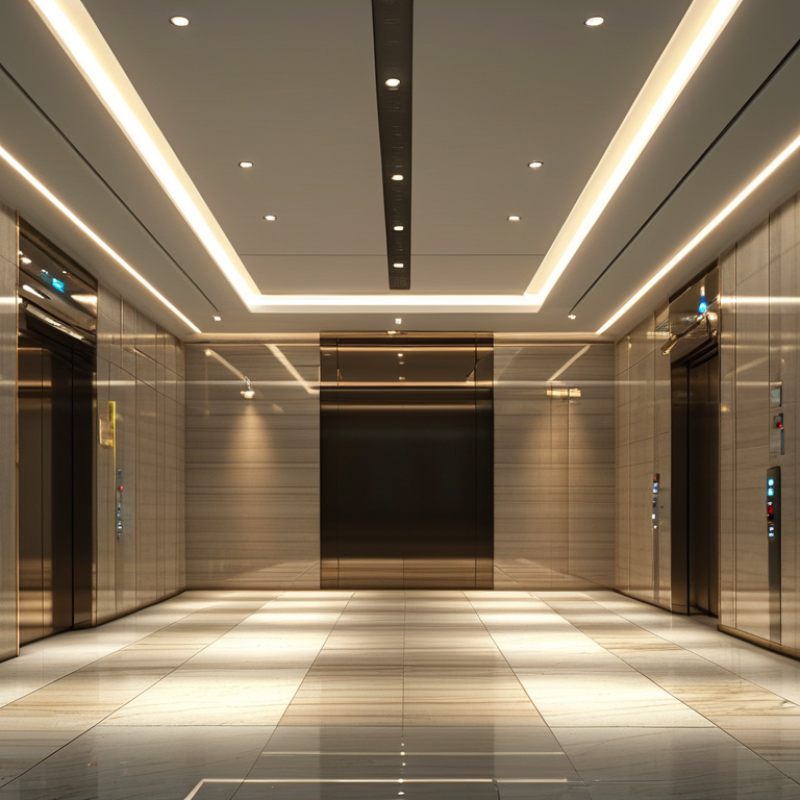
Benefits of Enhanced Visibility with LED Elevator Lighting
Upgrading elevator lighting to LED systems significantly enhances visibility, ensuring safety and comfort for users. Poor lighting can lead to accidents or injuries. In contrast, bright LED lights illuminate every corner of the elevator, helping passengers feel more secure. Clear visibility fosters confidence in using the elevator, especially for seniors and individuals with disabilities.
Brightly lit elevators can also create a welcoming atmosphere. This is especially important in commercial buildings and residential complexes. When individuals enter a well-lit space, it adds a sense of professionalism and attention to detail. Additionally, LEDs have a longer lifespan, reducing maintenance costs. Fewer replacements mean less disruption for residents and employees.
Tip: Consider installing motion sensors for automatic lighting. This can enhance the energy efficiency of your LEDs while maintaining excellent visibility when entering or exiting the elevator.
Unforeseen issues can arise with lighting upgrades. Occasionally, the intensity of LED lights may need adjustments. Too bright a light can cause discomfort. It's vital to strike the right balance between brightness and comfort. Consulting with
lighting experts can help find the ideal solution.
Tip: Regularly assess the lighting's effectiveness. Engage users for feedback to make necessary changes. Creating an inviting and
safe elevator experience is essential.
Energy Efficiency Improvements of LED Systems in Elevators
Upgrading elevator lighting to LED systems brings significant
energy efficiency improvements. Traditional lighting options consume excessive power, leading to high energy bills.
In contrast, LED lights use up to 75% less energy.
This lower consumption translates directly to cost savings for building owners. It also reduces the overall
carbon footprint, promoting a more sustainable environment.
LED technology has a longer lifespan compared to
fluorescent or incandescent bulbs. While changing lights frequently can cause inconvenience and unexpected
maintenance costs, LEDs can last over 25,000 hours. This durability means less waste and fewer replacements.
However, installation may require professional adjustments to existing fixtures, which can pose a challenge
for some buildings.
Moreover, LEDs provide better quality light.
They enhance visibility and safety in elevators, which is essential for passenger comfort. A consistent light
source can prevent flickering often associated with older systems. That said, it’s vital to consider the
initial costs of upgrading. For some buildings, the upfront
investment can be daunting. Overall, the long-term benefits tend to outweigh these concerns, but each
situation merits careful consideration.
Longevity and Maintenance Cost Savings of LED Lights
Upgrading elevator lighting to LED systems offers significant benefits, particularly in terms of longevity and maintenance cost savings.
Traditional lighting sources, such as incandescent or fluorescent bulbs, often have a short lifespan, averaging only 1,000 to 15,000 hours. In contrast, LED lights can last between 25,000 and 50,000 hours. This longevity means that elevators equipped with LED systems require fewer replacements.
Maintenance costs also decline when transitioning to LED lights. A study by the Department of Energy indicates that LED systems can reduce energy usage for lighting by at least 75%. Less frequent bulb changes reduce labor costs and downtime
associated with elevator maintenance. A lower maintenance frequency can lead to better reliability, ensuring consistent operation and enhancing user experience.
Moreover, while the initial investment in LED lighting can seem higher, the long-term savings make it worthwhile. As reported by the Energy Efficiency Exchange, organizations report saving billions nationwide through LED lighting upgrades. Investing in LED technology not only cuts costs but also
contributes to sustainability goals. However, the transition requires proper evaluation and planning to maximize benefits and minimize potential obstacles.
Environmental Impact Reduction through LED Lighting Solutions
Upgrading elevator lighting to LED systems provides significant environmental benefits.
LED lights are known to consume up to 75% less energy than traditional incandescent bulbs. This reduction in energy use translates directly into lower carbon emissions.
According to the U.S. Department of Energy, switching to LED lighting could eliminate greenhouse gas emissions equivalent to the annual output of 9 million cars.
Moreover, LED lights have a longer lifespan, lasting up to 25 times longer than traditional bulbs. This longevity means fewer replacements, ultimately reducing waste.
The environmental impact extends beyond just energy consumption; less frequent bulb disposal means lesser accumulation in landfills. Data from the International Energy Agency indicates that if all incandescent bulbs were replaced with LEDs globally,
the world could save over $100 billion in energy costs by 2025.
Tips: Consider installing smart controls for LED lights. These systems can adjust brightness based on usage patterns, further optimizing energy efficiency.
Regular maintenance can ensure your LED systems operate at peak performance. Even minor adjustments can lead to significant energy savings.
Aesthetic Enhancement and Modernization of Elevator Interiors with LEDs
Upgrading to LED lighting in elevators can significantly enhance their aesthetics and modernize interiors. Bright, energy-efficient LEDs can transform dull elevator spaces into vibrant and welcoming environments. This dramatic change captures attention and leaves a positive impression on users. Vibrant colors and dynamic lighting can also reflect the building's style and add a sense of luxury.
The impact of LED lighting goes beyond mere appearance. This upgrade can address issues like inconsistent lighting and shadowy corners. A well-lit elevator reduces anxiety for users, especially in high-traffic buildings. However, it’s essential to balance brightness levels to avoid overwhelming passengers. Finding the right hue and intensity may require some trial and error.
Incorporating smart LED systems allows for customization. Users can control settings based on the time of day or special events. This level of flexibility caters to diverse preferences. Nevertheless, some might find too many options confusing. Careful consideration of user experience should guide any decisions made. The goal is to create an inviting and safe space for everyone.
Top 5 Benefits of Upgrading Elevator Lighting to LED Systems
| Benefit |
Description |
Impact |
| Energy Efficiency |
LED lights consume significantly less power compared to traditional lighting options. |
Reduces energy costs and lowers carbon footprint. |
| Longevity |
LEDs have a lifespan of up to 25,000 hours, reducing the need for frequent replacements. |
Minimizes maintenance costs and downtime. |
| Aesthetic Appeal |
LED lighting offers a modern look and various color options enhancing elevator interiors. |
Improves user experience and satisfaction. |
| Safety |
Bright, consistent lighting from LEDs enhances visibility in elevators. |
Promotes safety and security for users. |
| Low Heat Emission |
LEDs emit very little heat compared to incandescent or fluorescent lights. |
Reduces cooling costs and enhances comfort in enclosed spaces. |
FAQS
: Upgrading to LED lighting can save up to 75% in energy consumption. This leads to lower energy bills and cost savings.
LED lights can last between 25,000 and 50,000 hours. Traditional bulbs usually last only 1,000 to 15,000 hours.
Maintenance costs decline because LED lights require fewer replacements. This reduces labor costs and elevator downtime.
Yes, LED lights reduce energy use and carbon emissions. Switching to LEDs could lower greenhouse gases equivalent to 9 million cars.
While initial investment can be high, long-term savings from energy efficiency outweigh these costs. Planning is critical.
LEDs provide better quality light, enhancing visibility and safety. This consistent lighting improves passenger comfort and experience.
Proper evaluation and planning are essential. Each building's situation is unique and may pose different challenges.
Yes, smart controls adjust brightness based on usage patterns. This can optimize energy efficiency even further.
LEDs minimize waste because they last longer and need fewer replacements. Less frequent disposal reduces landfill accumulation.
Installation may require professional adjustments for existing fixtures. This could be a challenge for some buildings.
Conclusion
Upgrading elevator lighting to LED systems offers numerous advantages that enhance both functionality and aesthetics. One of the key benefits is improved visibility, as LED lights provide brighter and more uniform illumination, ensuring safety and comfort for passengers. Additionally, LED systems are significantly more energy-efficient compared to traditional lighting, leading to reduced energy costs and a lower environmental footprint. The longevity of LED lights also translates to maintenance cost savings, as they require less frequent replacement.
Furthermore, transitioning to LED lighting allows for aesthetic enhancements, modernizing elevator interiors and creating a more inviting experience for users. To reap these benefits, building operators should educate themselves on how to upgrade elevator lighting to LED systems. By considering these improvements, they can elevate the overall quality and sustainability of their elevator environments.
 Vanguard Lift
