Vanguard Lift Vanguard Lift

What Are the Best Emergency Brake Systems in Modern Lifts?

Time:2026-06-10 Author:Mason
0%

In recent years, the safety of elevator systems has gained increased attention. Industry reports indicate that approximately 30% of elevator accidents occur due to brake system failures. This raises crucial questions about what are the emergency brake systems in modern lifts. These systems are vital for ensuring elevator reliability and passenger safety.

Modern lifts utilize several advanced emergency brake systems. These include mechanical brakes, magnetic brakes, and electronic safety systems. Each type plays a unique role in preventing accidents. For example, mechanical brakes often work automatically when the lift experiences an unexpected failure. Meanwhile, electronic systems can detect irregularities and engage brakes to halt the lift safely. Nevertheless, variations in design and technology can lead to performance discrepancies.

Understanding what are the emergency brake systems in modern lifts is essential for industry stakeholders. Regular maintenance and inspections of these systems are often overlooked. However, ensuring optimal performance can significantly reduce risks. As elevators evolve, ongoing innovation in emergency braking technology is vital. This focus can enhance safety measures and create more reliable systems for urban infrastructure.
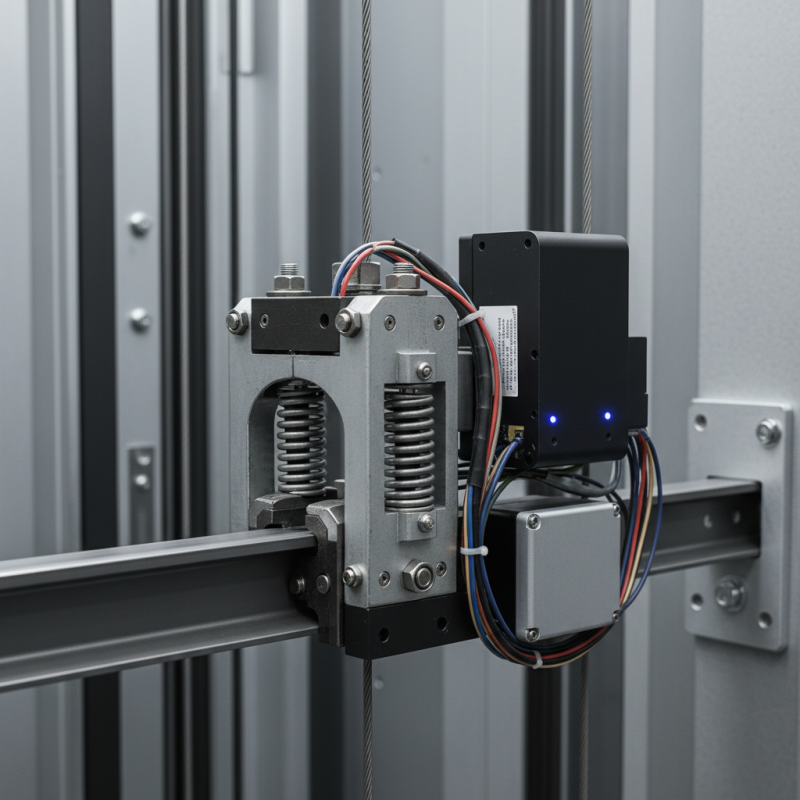
What Are the Best Emergency Brake Systems in Modern Lifts?

Types of Emergency Brake Systems in Modern Lifts

Emergency brake systems in modern lifts are crucial for passenger safety. These systems are designed to immobilize the elevator in case of a failure. There are several types of emergency brake systems currently utilized. One common type is the mechanical brake, which engages when the elevator descends at an uncontrolled speed. This brake typically uses a fail-safe mechanism, ensuring it remains effective.

Another type is the electronic brake system. According to a report by the International Organization for Standardization (ISO), about 30% of modern lifts are now fitted with electronic controls. This technology enhances safety by monitoring the elevator's speed and position in real-time. It can engage the brakes more precisely than mechanical systems alone. However, reliance on electronic systems can introduce vulnerabilities, particularly during power outages.

Hydraulic brake systems are also prevalent in mid-rise applications. These systems rely on hydraulic pressure for operation. While hydraulic brakes provide gradual deceleration, they might not always stop a lift quickly enough in emergencies. In some cases, this delay could lead to safety concerns. Maintaining a balance between efficiency and reliability is essential in designing these systems.

What Are the Best Emergency Brake Systems in Modern Lifts? - Types of Emergency Brake Systems in Modern Lifts

Type of Emergency Brake System Activation Method Response Time Maintenance Frequency Typical Applications
Mechanical Brake Gravity-activated Instantaneous Monthly Residential and Small Commercial Lifts
Electromagnetic Brake Electromagnetic actuation Milliseconds Quarterly High-Rise Buildings
Hydraulic Safety Brake Hydraulic pressure release Immediate Biannual Industrial Lifts
Recuperative Brake Regenerative electrical system Rapid Annual New Eco-Friendly Models
Failsafe Brake Automatic engagement upon power failure Instantaneous Monthly Critical Infrastructure

Key Features of Effective Emergency Brake Systems

Effective emergency brake systems in modern lifts are crucial for ensuring passenger safety. These systems are designed to stop the lift in case of sudden falls or power failures. Key features include redundancy, quick response time, and reliability. According to a report from the International Organization for Standardization, about 40% of lift accidents are attributed to brake failures. This highlights the need for robust braking systems.

One important aspect of emergency brakes is the use of advanced materials. Modern lifts are equipped with brakes that utilize high-friction materials. These materials enhance stopping power and reduce wear. Some systems are designed to engage automatically, ensuring immediate action during emergencies. Data shows these systems can reduce accident rates by nearly 60%.

Tips for Choosing an Effective Emergency Brake System: Look for systems with a proven track record in safety tests. Ensure that the materials used are up to industry standards. Regular maintenance checks can prevent unforeseen failures. It’s crucial to assess the installation environment, as specific lifts may require tailored solutions for optimal performance. Consistent evaluation of brake systems can lead to improvement opportunities, reinforcing safety protocols.

Comparison of Key Features in Emergency Brake Systems

Comparative Analysis of Popular Emergency Brake Technologies

In the realm of modern lifts, emergency brake systems are paramount for passenger safety. A comparative analysis of popular technologies reveals diverse approaches to ensuring reliability. According to industry reports, approximately 50% of lift accidents are linked to brake failures. Therefore, understanding the most effective systems is crucial.

One prevalent type is the mechanical brake, often utilized for its simplicity and reliability. These systems engage when a lift descends unexpectedly. A recent study highlighted that mechanical brakes can reduce fall speed by more than 70%, contributing significantly to passenger safety. However, these systems can wear over time, necessitating regular maintenance. This raises questions about their long-term efficacy in high-usage environments.

Another promising technology is the electromagnetic brake. This system operates using magnetic forces, providing rapid engagement during emergencies. Research indicates that electromagnetic brakes can react within milliseconds, offering a swift response. Yet, they are also subject to environmental factors, such as temperature and humidity, potentially impacting performance. This variability emphasizes the need for thorough inspections and testing in diverse settings. Ensuring that lifts remain safe requires ongoing evaluation and adaptation of these critical brake systems.

Maintenance Practices for Emergency Brake Systems in Elevators

Maintaining emergency brake systems in elevators is crucial for safety. Industry experts recommend a comprehensive approach to ensure reliability. According to a report from the National Elevator Industry, approximately 30% of elevator-related accidents stem from brake system failures. Regular inspections can significantly reduce these risks.

Routine maintenance should include checking the brake pads and monitoring wear and tear. Brake force tests are essential. They help confirm that the system engages effectively in emergency situations. Research indicates that more than 20% of elevator maintenance providers do not conduct these tests regularly. This oversight can lead to potentially dangerous outcomes.

Technicians should keep detailed logs of all maintenance work. Data from the American Society of Mechanical Engineers suggests that transparent record-keeping enhances accountability and safety. Failure to document service history can lead to repeated problems. It's vital for teams to reflect on their practices and identify areas for improvement. Regular training in new technologies also boosts the effectiveness of emergency brake systems.

Regulatory Standards and Safety Measures for Lift Brake Systems

Emergency brake systems in modern lifts are crucial for ensuring user safety. Regulatory standards govern these systems rigorously. Safety measures must meet specific criteria outlined by relevant authorities. These include regular inspections and maintenance protocols. Compliance is essential for reducing risks during lift operation.

Safety measures often involve redundant systems. This means that multiple brakes can engage if one fails. However, not every system is perfect. Some designs might have unforeseen weaknesses. Operators must remain vigilant about potential issues. Training for lift maintenance personnel is vital. They should understand how to identify and rectify problems effectively.

Technological advancements are improving safety features. Newer systems may incorporate sensors that detect malfunctions early. Still, challenges persist in standardizing these technologies globally. There is a constant need for balance between innovation and reliability. Industry experts advocate for more robust guidelines to address these concerns. Effective safety measures depend on continuous improvement in regulatory compliance.

FAQS

: What are emergency brake systems in lifts?

: Emergency brake systems in lifts ensure passenger safety by immobilizing the elevator during a failure.

How do mechanical brake systems work?

Mechanical brakes engage when the elevator descends too quickly. They use a fail-safe mechanism to stay effective.

What are the advantages of electronic brake systems?

Electronic brake systems monitor speed and position in real-time. They can engage brakes more precisely than mechanical systems.

Are there vulnerabilities in electronic brake systems?

Yes, electronic systems can fail during power outages, which may compromise safety.

How do hydraulic brake systems function?

Hydraulic systems use hydraulic pressure for gradual deceleration. However, they may not stop lifts quickly enough in emergencies.

What maintenance do mechanical brakes need?

Mechanical brakes wear over time and require regular maintenance for optimal performance in high-use situations.

How fast can electromagnetic brakes react?

Electromagnetic brakes can engage within milliseconds, offering rapid responses during emergencies.

What environmental factors affect electromagnetic brakes?

Temperature and humidity can impact the performance of electromagnetic brakes, requiring thorough inspections.

Why is it important to analyze brake systems?

Understanding brake systems is crucial, as about 50% of lift accidents are related to brake failures.

How can lift safety be improved?

Ongoing evaluation and adaptation of brake systems are essential for ensuring passenger safety in lifts.

Conclusion

The article "What Are the Best Emergency Brake Systems in Modern Lifts?" explores crucial aspects of modern elevator safety, focusing on various types of emergency brake systems. It outlines the prevalent technologies used in the industry, emphasizing key features that contribute to their effectiveness. Additionally, a comparative analysis provides insights into popular emergency brake technologies, illustrating their advantages and limitations.

Maintenance practices are also discussed, highlighting the importance of regular inspections and servicing to ensure optimal performance and reliability. Furthermore, the article delves into regulatory standards and safety measures that govern lift brake systems, reinforcing the necessity of compliance to protect users. Overall, the article provides a comprehensive overview of what are the emergency brake systems in modern lifts, offering valuable information for industry professionals and building operators.

Mason

Mason

Mason is a seasoned marketing professional with a deep expertise in the company's offerings and a passion for driving brand awareness. With a strong background in digital marketing strategies, he has an innate ability to connect with diverse audiences and effectively communicate product benefits.......