 Vanguard Lift
Vanguard Lift
Vanguard Lift
Maintaining a residential lift safely is crucial for ensuring the well-being of users. According to the National Elevator Industry, nearly 30% of incidents in residential lifts stem from improper maintenance. This alarming statistic underscores the necessity of understanding how to maintain a residential lift safely. Expert John Doe from the Residential Elevator Association emphasizes, "Regular checks and professional maintenance can prevent most accidents." His insight highlights the importance of proactive measures.
To achieve optimal safety, homeowners should schedule routine inspections and adhere to manufacturer guidelines. Research indicates that 70% of lift accidents could be avoided with proper maintenance practices. Each component of the lift, from cables to control systems, requires attention. Neglecting even minor issues can lead to significant hazards. It is essential to acknowledge that overlooking maintenance not only endangers users but also compromises the entire system's integrity.
In the delicate balance of functionality and safety, consistent education plays a vital role. Homeowners must empower themselves with knowledge about their lift systems. Learning to identify warning signs, such as unusual noises or sluggish movements, can be life-saving. Balancing convenience with caution is key in maintaining a safe residential lift environment.
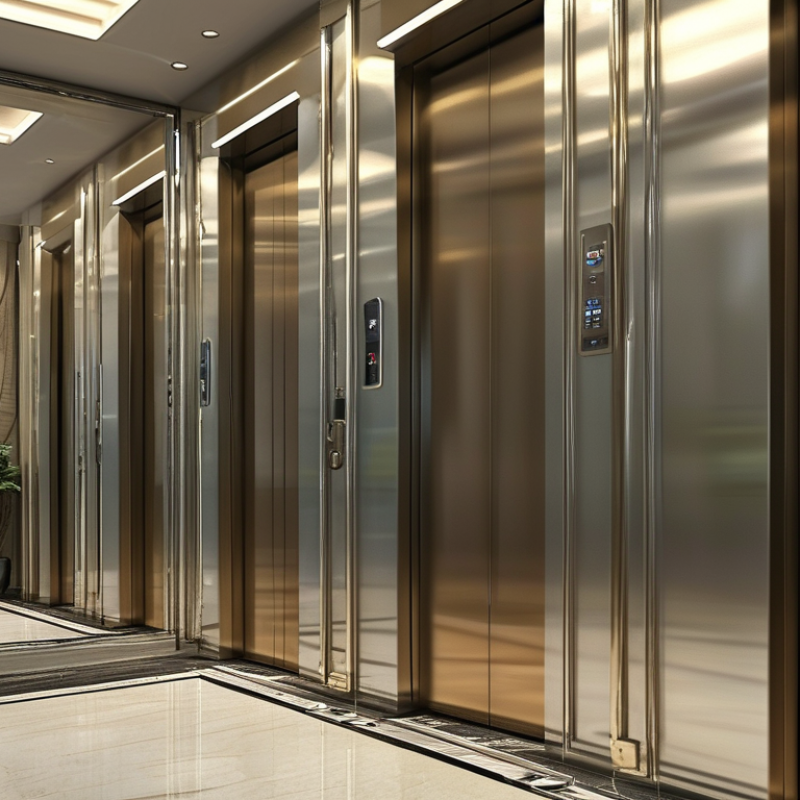
Home elevators are a valuable addition for many families. However, regular maintenance is crucial for ensuring safety. Statistics show that improper lift care can lead to accidents. According to a report by the National Elevator Industry, about 30% of lift-related incidents occur due to lack of maintenance. This underlines the importance of routine checks and repairs.
Understanding the components of a residential lift is vital. Regular checks on cables, pulleys, and the control system can prevent failures. A study highlighted that around 60% of lift failures result from worn-out parts. Homeowners should prioritize inspections with qualified professionals. Many neglect this until it's too late, resulting in dangerous situations.
Investing in maintenance is not just about avoiding accidents; it enhances the lifespan of the lift. Regular upkeep can increase functionality. Yet, many homeowners are unaware of specific maintenance schedules. It's easy to overlook these tasks, leading to bigger issues down the line. Remember, safety is not just a checklist; it requires continuous attention.
| Tip | Frequency | Description | Safety Impact |
|---|---|---|---|
| Regular Inspections | Monthly | Check for any visible wear, unusual noises, or malfunctions. | High |
| Professional Maintenance | Annually | Engage a qualified technician for a thorough system check. | Critical |
| Emergency Procedures | As Needed | Ensure all residents know how to respond in case of a lift failure. | High |
| Lubrication | Every 6 Months | Apply lubrication to moving parts to prevent wear. | Moderate |
| Load Testing | Every 2 Years | Test the lift with its maximum load limit to ensure safety. | Critical |
| Clean Lift Components | Every 3 Months | Clean dirt and debris from the lift to ensure smooth operation. | Moderate |
: You should inspect your residential lift regularly to ensure safety. Monthly checks are a good starting point.
Pay attention to cables, pulleys, doors, sensors, and the control panel. These are critical for safe operation.
Look for wear or fraying. Even minor damage can lead to serious failures.
Ensure doors open and close smoothly. Check if sensors detect obstacles correctly to avoid hazards.
Delays may indicate issues. Have the control panel checked immediately to prevent accidents.
Regular maintenance prevents breakdowns and costly repairs. It also enhances overall lift safety.
Discuss proper lift usage and emergency procedures. Encourage reporting of unusual noises or movements.
Make sure the alarm system works and communicates with emergency services clearly. Regular testing is key.
Refer to manufacturer's guidelines for maintenance tasks. Cleaning and lubricating moving parts is crucial.
Improper maintenance contributes to over 30% of lift accidents. Regular checklists can help prevent this.
Proper maintenance of a residential lift is essential for ensuring home safety and prolonging the lift's lifespan. Understanding the importance of regular maintenance is the first step in how to maintain a residential lift safely. Homeowners should familiarize themselves with the key components of their lift, regularly inspecting elements such as cables, pulleys, and safety mechanisms.
A step-by-step guide to conducting a lift safety checklist can help identify potential issues early on. Additionally, avoiding common maintenance mistakes, such as neglecting wear and tear or postponing repairs, is critical. Lastly, knowing when to seek professional help ensures that any significant problems are addressed promptly, further safeguarding the lift's functionality and the safety of its users.
