Vanguard Lift
Villa lifts have become increasingly popular in modern luxury homes. With this rise, safety must take precedence. It’s essential to understand "what are the safety requirements for villa lifts." Ensuring these lifts meet safety standards protects users and prevents accidents.
John Reynolds, a renowned safety engineer, emphasizes the importance of these standards. He states, "Compliance with safety regulations is not just necessary; it's a responsibility." His insight resonates in discussions about villa lift installations. Families rely on these lifts for convenience, but their safety must not be overlooked.
Many villa owners may underestimate potential risks. The design and installation of lifts should adhere to strict guidelines. Regular maintenance checks are equally vital for ongoing safety. Addressing these aspects early can prevent costly and dangerous incidents in the future.
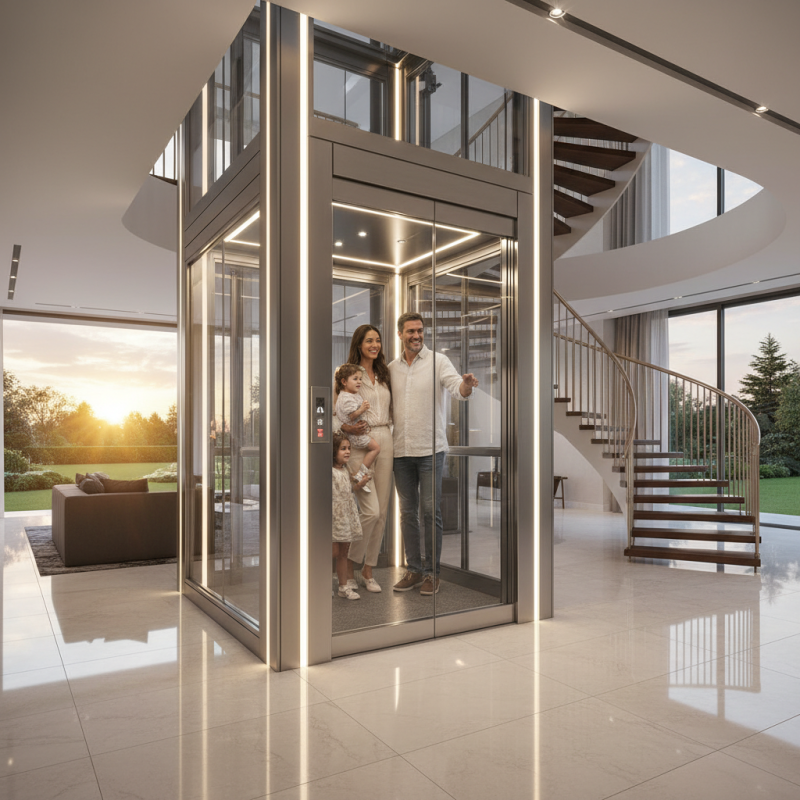
Villa lifts enhance accessibility and convenience in residential spaces. However, their design must prioritize safety standards. Implementing robust safety requirements is essential to prevent accidents. The International Organization for Standardization (ISO) emphasizes guidelines that improve safety features in elevators. For instance, incorporating multiple safety systems minimizes risks, ensuring a safer user experience.
Data from the Elevator World indicates that accidents related to elevator malfunctions account for approximately 17,000 injuries annually in the U.S. alone. This statistic underlines the need for rigorous safety protocols. Features like emergency brakes, alarms, and inspection routines contribute to minimizing these risks. Villa lift designers should focus on these aspects to conform to safety standards, thereby reassuring users of their safety.
It’s worth noting that compliance does not come without challenges. Some luxury villas may prioritize aesthetics over safety, compromising the overall design integrity. Striking a balance between visual appeal and rigorous safety requirements is crucial. The safety of users should always take precedence over design ambitions.
When considering villa lifts, safety requirements play a crucial role. These lifts can improve accessibility but may pose risks without proper safety features. According to a report by the International Organization for Standardization, a significant number of safety accidents occur due to insufficient lift safety measures.
Key features to look for in villa lifts include emergency braking systems, call buttons within easy reach, and backup power supplies. An emergency stop button should be easily identified. The door sensors are essential to prevent accidents. In a study by the Lift and Escalator Industry Association, 30% of lift incidents were linked to door malfunctions. Regular maintenance is also vital for ensuring these systems work effectively.
**Tips:** Always choose lifts with certified safety standards. Evaluate the installation environment for space and evacuation protocols. Regularly inspect and test lift components to catch early signs of wear. Prioritizing safety in lift selection not only protects users but also enhances confidence in the lift system.
Villa lifts provide convenience and accessibility. However, they also carry significant risks if not managed properly. Common issues include mechanical failures, power outages, and improper usage. Each of these risks can lead to accidents, causing injury to users or damage to the lift. Therefore, adhering to safety regulations is crucial for preventing mishaps.
Regular maintenance is essential. Inspections should occur at least once a year. Trained professionals can identify potential problems before they escalate. Ignoring minor issues can result in major failures. Users must be aware of the lift's weight capacity. Overloading can compromise safety and lead to breakdowns.
Tips for safe usage include reading all operational instructions. Encourage users to familiarize themselves with the lift's functions. Ensure that emergency communication is functional. This can help in case of an unexpected incident. Overall, staying informed about safety measures can significantly reduce risks associated with villa lifts.
| Safety Requirement | Description | Common Risks | Regulatory Standards |
|---|---|---|---|
| Regular Maintenance | Scheduled inspections and servicing to ensure lift functionality and reliability. | Mechanical failure, sudden stops, or unsafe conditions. | ISO 9001 |
| Emergency Systems | Installation of backup power and emergency communication systems. | Stranding passengers, lack of communication during power failure. | BS EN 81-20 |
| Load Capacity Signs | Clear indications of the maximum weight limit the lift can safely carry. | Overloading leading to structural failure. | ASME A17.1 |
| Safety Training | Training for users and maintenance personnel about safe lift operation. | User error, mishandling, or non-compliance with operational protocols. | OSHA Guidelines |
| Fire Safety Compliance | Implementation of fire-resistant materials and systems in lift design. | Risk of fire spread and panic during emergencies. | NFPA 101 |
Villa lifts offer convenience and accessibility, yet compliance with local codes and regulations is crucial. These codes ensure that elevators operate safely and meet necessary standards. According to a report by the International Organization of Standardization (ISO), approximately 80% of elevator accidents occur due to non-compliance with safety regulations. This staggering statistic emphasizes the importance of adhering to local guidelines.
Local regulations often include factors such as weight capacity, installation procedures, and maintenance schedules. Failing to follow these can lead to severe accidents. For instance, installing a lift without proper assessments can result in structural weaknesses. Regular inspections are required by many jurisdictions to ensure safety standards are met. The American National Standards Institute (ANSI) notes that regular upkeep can reduce accidents by nearly 30%.
Tips: Always consult local regulations before installation. Verify that the lift complies with safety standards to prevent future issues. Regular maintenance checks can catch potential problems early. Safety should always be a priority when considering villa lifts.
Villa lifts offer convenience and accessibility, but safety must be prioritized. Regular maintenance and inspections play crucial roles. These ensure that every component of the lift functions properly. An overlooked problem can lead to serious accidents.
Understanding how to maintain villa lifts is essential. Schedule routine inspections to check for wear and tear. Inspect cables, brakes, and door mechanisms regularly. Address any irregularities promptly. If you notice strange noises or slow movement, it's time to call a professional.
Here are some tips for maintaining villa lifts:
: Safety standards prevent accidents and injuries, ensuring a safer user experience. They prioritize user safety above all.
Mechanical failures, power outages, and improper usage are common risks that can cause accidents. These must be managed carefully.
Inspections should occur at least once a year. Regular maintenance helps identify potential issues before they escalate.
Emergency brakes, alarms, and inspection routines are vital safety features. They minimize risks associated with elevator usage.
Yes, some luxury designs focus on aesthetics over safety. This can compromise user safety and the elevator’s functionality.
Users should read all operational instructions. Familiarizing themselves with the lift’s functions promotes safer usage.
Ensure emergency communication devices are functional. Staying informed about lift safety measures reduces associated risks.
Overloading can compromise safety, leading to breakdowns. Users must always be aware of the lift's weight capacity.
Regular checks help discover minor issues before they become major failures. Ignoring maintenance can lead to serious accidents.
Designers should strike a balance between safety and aesthetics. User safety must always take precedence over visual appeal.
Safety requirements for villa lifts are crucial to ensure the well-being of users and the longevity of the equipment. These standards focus on various key safety features that should be considered during the design and installation of villa elevators. Understanding what the safety requirements for villa lifts entail helps in identifying common risks associated with their operation, such as mechanical failures or improper usage. Moreover, compliance with local codes and regulations is essential for legal operation and functionality.
Regular maintenance and inspections play a vital role in guaranteeing safety in villa lifts, allowing for proactive identification of potential issues before they become serious hazards. Overall, prioritizing safety in villa lift design not only protects users but also enhances the reliability and efficiency of the elevator system. Proper adherence to safety standards fosters a secure environment in residential settings, making safety a top priority in villa lift management.
