Vanguard Lift Vanguard Lift

How to Maintain a Residential Lift Safely for Peace of Mind?

Time:2026-04-29 Author:Sienna
0%

Maintaining a residential lift safely is essential for ensuring both comfort and safety. A well-functioning lift enhances accessibility in homes, particularly for those with mobility challenges. Regular maintenance helps prevent breakdowns that can lead to costly repairs. It's crucial to understand how to maintain a residential lift safely to avoid accidents.

Routine checks are vital. Homeowners should inspect the lift's components regularly. This includes the cables, doors, and controls. A faulty part can be dangerous if unnoticed. Engaging professionals for annual inspections is also a wise choice. Their expertise offers peace of mind. They can identify potential issues that an untrained eye might overlook.

However, even with regular maintenance, challenges can arise. Sometimes, lifts may show signs of wear despite diligent care. Homeowners need to be proactive in listening for unusual sounds or observing erratic behavior. Small lapses can lead to significant concerns. Therefore, educating oneself on the specifics of lift functionality is invaluable. By doing so, residents ensure a safer living environment for themselves and their loved ones.
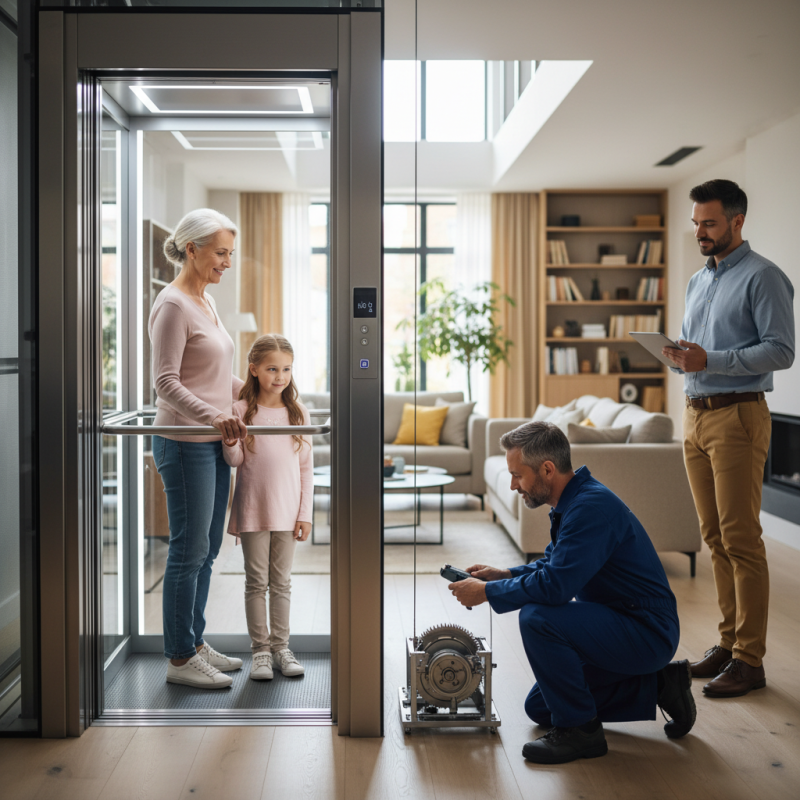
How to Maintain a Residential Lift Safely for Peace of Mind?

Understanding Residential Lift Safety Standards and Regulations

Residential lifts are increasingly common in homes, providing convenience and accessibility. Understanding safety standards and regulations is crucial to ensure these systems operate safely. According to the American Society of Mechanical Engineers (ASME), compliance with the ASME A17.1 safety code is essential. This standard outlines safety requirements for residential elevators, including proper installation, maintenance, and operation.

Regular inspections are mandated to ensure lifts meet safety criteria. In fact, nearly 30% of residential lift accidents are linked to improper maintenance, as reported by the Elevator Escalator Safety Foundation. Homeowners should schedule annual inspections with certified professionals. Only qualified technicians should perform these checks to adhere to local building codes and regulations.

Moreover, enforcement of safety regulations varies by region. Some areas may lack rigorous oversight, leading to potential risks for homeowners. Individuals must educate themselves on local safety standards. Awareness and diligence are key. Each lift must have proper documentation and clear emergency procedures displayed. These steps help to mitigate accidents and enhance peace of mind for residents.

Common Maintenance Practices to Ensure Lift Safety and Longevity

Maintaining a residential lift is crucial for safety and peace of mind. Regular inspections help identify issues before they escalate. Inspecting the lift’s cables and pulleys is vital. Any signs of wear can lead to major problems. Always check the door mechanisms; they must open and close smoothly. A single malfunction can be a safety hazard.

Cleaning the lift’s interior and exterior is important, too. Dust and grime can accumulate over time. Blocked sensors may prevent the lift from operating. Monthly cleanings can help preserve its condition. It’s easy to overlook but can avoid costly repairs.

Listening to the lift is key. Unusual noises may indicate trouble. Vibrations or jerks during operation deserve attention. Residents should report concerns immediately. Sometimes, small issues can grow into larger ones. Regular maintenance checks, performed by a qualified technician, encourage safe use and extend the lift’s lifespan. It’s better to be proactive than reactive.

Common Maintenance Practices for Residential Lifts

Periodic Inspection Frequency: Best Practices for Residential Lifts

Regular inspection of residential lifts is crucial for safety and peace of mind. Homeowners should schedule inspections at least twice a year. This frequency ensures that any wear and tear is detected early. Trained professionals can spot issues that an untrained eye might miss. During these inspections, they check mechanics, safety systems, and operational efficiency.

When planning inspections, keep a detailed log. Recording dates, findings, and repairs improves transparency. Residents should also be aware of common warning signs. Unusual noises, slow movements, or unexpected stops may indicate problems. Addressing these issues promptly can prevent costly repairs later. It's beneficial to understand a lift's specific needs. Different models may require unique maintenance routines. Creating a tailored inspection plan promotes reliability and safety. Regular check-ups keep the lift functioning smoothly, contributing to overall safety within the home.

How to Maintain a Residential Lift Safely for Peace of Mind?

Periodic Inspection Frequency: Best Practices for Residential Lifts

Inspection Type Frequency Key Focus Areas Notes
Routine Maintenance Monthly Lubrication, Cleaning, Functionality Check Ensure all buttons and emergency features work
Safety Inspection Semi-Annual Mechanical Components, Safety Features Required by law, check for compliance
Full Load Test Annual Weight Capacity, Stability Reconfirm operational safety
Emergency Equipment Check Quarterly Emergency Phone, Alarm System Ensure response protocols are functional

Importance of Professional Servicing and Accredited Technicians

When it comes to residential lifts, the importance of professional servicing cannot be overstated. A faulty lift can pose serious safety risks. Regular checks by accredited technicians help identify potential issues before they become major problems. These experts understand the complexities of lift systems. They have the necessary training and experience.

Technicians equipped with up-to-date knowledge can spot safety concerns that an untrained eye might miss. Their expertise leads to better maintenance plans that cater to the specific needs of your lift. It's not just about routine checks; it's about ensuring safe operation day in and day out. Regular inspections allow for timely repairs and can extend the lift's lifespan.

Neglecting professional servicing can lead to accidents and costly repairs. Some homeowners may overlook this necessity, thinking they can handle minor issues themselves. However, minor fixes can snowball into large-scale repairs. A small problem today might result in complete lift failure tomorrow. Trusting accredited technicians can give peace of mind and enhance safety for your family.

User Education: Safe Operating Procedures for Residential Lift Users

User education is vital for safe residential lift usage. Proper instructions can prevent accidents and injuries. Every user should know the lift's operating features. Familiarize yourself with buttons, doors, and emergency protocols. Encourage everyone in the household to read the user manual. A well-informed user is a safer user.

Practicing caution is essential. Remind users not to exceed the lift's weight limit. Always wait for the doors to fully open before entering or exiting. Improper behavior, like rushing, can lead to mishaps. Encourage patience, especially when using the lift with others. Discussing safety tips regularly can foster a culture of awareness.

Periodic discussions about lift maintenance are also useful. Users should report any unusual sounds or malfunctions promptly. Encourage users to keep the lift clean and clear of obstructions. Attention to small details helps maintain the lift’s functionality and safety. Users must reflect on their lift habits and remain vigilant. Continuous learning about safety can make a significant difference in everyday operations.

FAQS

: Why is maintaining a residential lift important?

: It ensures safety and peace of mind. Regular maintenance prevents major problems.

How often should I inspect my lift?

Schedule inspections at least twice a year for best results.

What should be checked during a lift inspection?

Inspect cables, pulleys, door mechanisms, and safety systems for any issues.

What signs indicate my lift might have a problem?

Unusual noises, slow movements, and unexpected stops are warning signs.

How can I keep the lift clean?

Clean the interior and exterior monthly to prevent dust accumulation and blocked sensors.

What if I notice unusual noises in my lift?

Report these concerns immediately; they may indicate larger underlying issues.

Should I record my lift inspections?

Yes, keeping a detailed log of dates and findings improves transparency.

Can I perform maintenance checks myself?

Some checks, like cleaning, can be done personally, but professionals should handle more complex issues.

What happens if I ignore lift maintenance?

Neglecting maintenance can lead to costly repairs and safety hazards over time.

Is it okay to delay repairs on minor issues?

Delaying can lead to bigger problems. It's better to address issues promptly.

Conclusion

Maintaining a residential lift safely is crucial for ensuring the well-being of its users and extending the lift's operational longevity. Understanding safety standards and regulations is the first step in creating a reliable environment. Regular maintenance practices, such as routine checks and timely repairs, help identify potential issues before they escalate. Establishing a periodic inspection frequency enhances safety, providing peace of mind for homeowners.

Moreover, the significance of professional servicing cannot be overstated; accredited technicians possess the expertise to uphold safety standards and maintain functionality. User education on safe operating procedures further promotes a culture of safety, ensuring that all residents know how to utilize the lift properly. By following these guidelines on how to maintain a residential lift safely, homeowners can enjoy the convenience of their lifts while minimizing risks.

Sienna

Sienna

Sienna is a skilled marketing professional with a deep expertise in our company’s core products and services. With a passion for innovation and detail, she plays a pivotal role in crafting insightful blog posts that not only highlight the unique features of our offerings but also provide valuable......