 Vanguard Lift
Vanguard Lift
Vanguard Lift
Choosing the right elevator system for apartments is crucial. Elevators impact both functionality and aesthetics. A rising trend in the industry is the adoption of machine roomless (MRL) elevators. According to a report by the Elevator World, MRL elevators can save up to 30% of building costs compared to traditional systems.
“Why choose a machine roomless elevator for apartments?” Many experts have weighed in on the advantages. For instance, John Smith, an industry consultant, states, “MRL elevators are the future of residential buildings.” This sentiment rings true as MRL systems offer increased energy efficiency and a smaller footprint.
Properties equipped with MRL elevators experience enhanced appeal. They allow for more usable space, enhancing living environments. However, some concerns exist, such as maintenance accessibility. Consideration of these factors is essential for informed decision-making. In the evolving landscape of apartment design, MRL elevators are not just a choice but a strategic advantage.
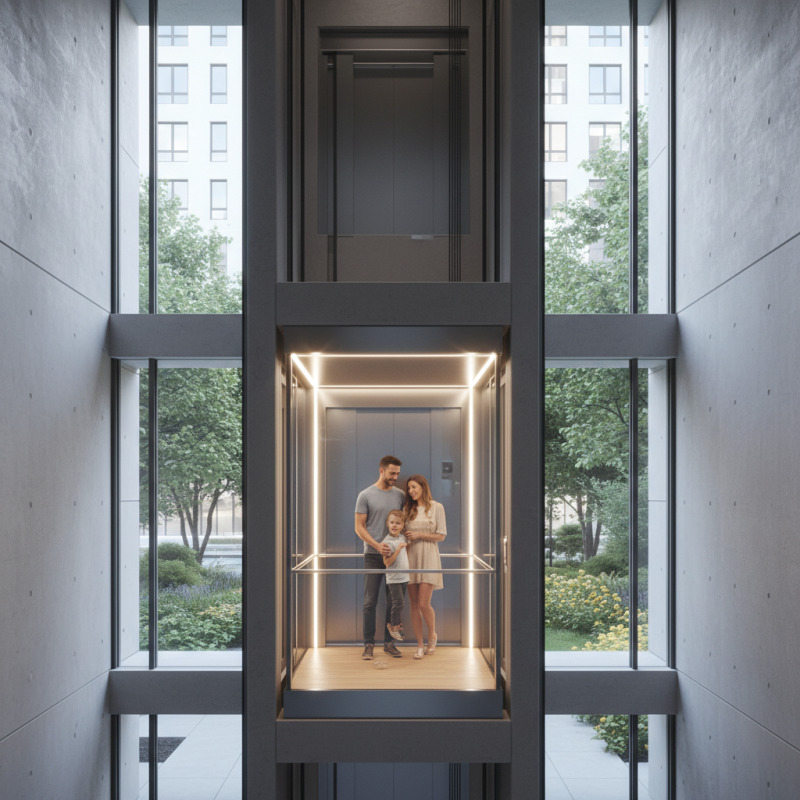
Machine Roomless Elevators (MRLs) are becoming increasingly popular in apartment buildings. They offer significant advantages in design and functionality. One key benefit is space-saving. With no separate machine room, MRLs utilize less building area. This allows for more usable space in the apartment layout.
Another advantage is energy efficiency. MRLs typically consume less power than traditional elevators. This means lower energy bills for buildings. Additionally, their compact design can lead to reduced construction costs. Owners often appreciate the minimized structural requirements. However, proper installation and maintenance are essential. Neglecting these factors can lead to costly repairs or downtime.
MRLs also enhance accessibility. Many newer models come equipped with advanced technologies. Features like touchless controls and smooth operation cater to all residents. Nevertheless, they may not be ideal for every building type or height. Understanding specific building needs helps in making informed choices. The reliability and performance of MRLs can vary based on manufacturer and installation quality, underscoring the importance of selecting experienced professionals for the task.
| Advantage | Description | Impact on Apartment Buildings |
|---|---|---|
| Space Efficiency | No machine room required, freeing up usable building space. | Increased usable area for tenants or amenities. |
| Reduced Construction Costs | Lower installation costs due to simpler design and space requirements. | Cost savings can be passed on to residents. |
| Energy Efficiency | Uses less energy compared to traditional elevators. | Lower utility bills for the building. |
| Quieter Operation | Reduced noise levels from elevator operation. | Enhanced living experience for residents. |
| Modern Design | Sleek and contemporary aesthetics that complement modern buildings. | Attractive visual aspect improves building appeal. |
| Faster Installation | Shorter installation time due to simplified systems. | Quicker project completion and occupancy readiness. |
| Safety Features | Integrated safety mechanisms to prevent accidents. | Increased resident trust and comfort. |
| User-Friendly Controls | Intuitive controls for ease of use. | Enhanced accessibility for all residents. |
| Low Maintenance Costs | Reduced need for maintenance compared to conventional elevators. | Lower overall operational costs for building management. |
| Flexibility in Design | Easily adaptable to various building layouts. | Customization options lead to better integration with architecture. |
: MRLs are elevators designed without separate machine rooms, saving space in buildings.
MRLs can reduce installation costs by up to 30% due to their efficient design.
MRLs consume up to 50% less energy than traditional elevators, reducing monthly utility bills.
Enhanced safety features include automatic rescue devices to ensure user safety during power failures.
No, MRLs have weight limits and may not be suitable for taller buildings.
MRLs require periodic maintenance but have lower ongoing upkeep due to fewer components.
They operate quietly and smoothly, enhancing comfort for building residents.
Installation can be complex, especially in older infrastructure, requiring careful planning.
Poor installation can lead to future issues, eroding the benefits of MRLs.
Neglecting maintenance can compromise safety and performance, risking user safety.
When considering modern solutions for apartment buildings, many developers and homeowners are exploring why to choose a machine roomless elevator for apartments. These elevators offer key advantages, including space efficiency and design flexibility, allowing for seamless integration into various architectural layouts without the bulky presence of a traditional machine room. This feature significantly optimizes available space, making them ideal for smaller buildings or those with unique designs.
In addition to space considerations, machine roomless elevators are known for their cost-effectiveness and energy efficiency. They consume less power, reducing operational costs while providing enhanced safety features that prioritize user protection. Furthermore, these systems require lower maintenance, which translates into operational benefits for property managers. Overall, the combination of these attributes makes machine roomless elevators an attractive choice for modern apartment living.
