Vanguard Lift
When considering villa lifts, understanding safety is crucial. Many homeowners often overlook safety requirements. However, ensuring compliance can prevent accidents and ensure peace of mind. So, what are the safety requirements for villa lifts? This question lays the foundation for our exploration.
Villa lifts must adhere to specific standards. These include proper installation, regular maintenance, and the use of high-quality materials. Homeowners should prioritize lifts with safety features. For instance, emergency stop buttons, overload sensors, and door interlocks are essential. Such features enhance user protection and reliability.
Neglecting safety could lead to serious consequences. Accidents in improperly installed lifts are not uncommon. Therefore, it’s vital to consult experts during installation and maintenance. Regular check-ups can help identify potential issues. Ultimately, safety should be a homeowner's top priority when selecting a villa lift.
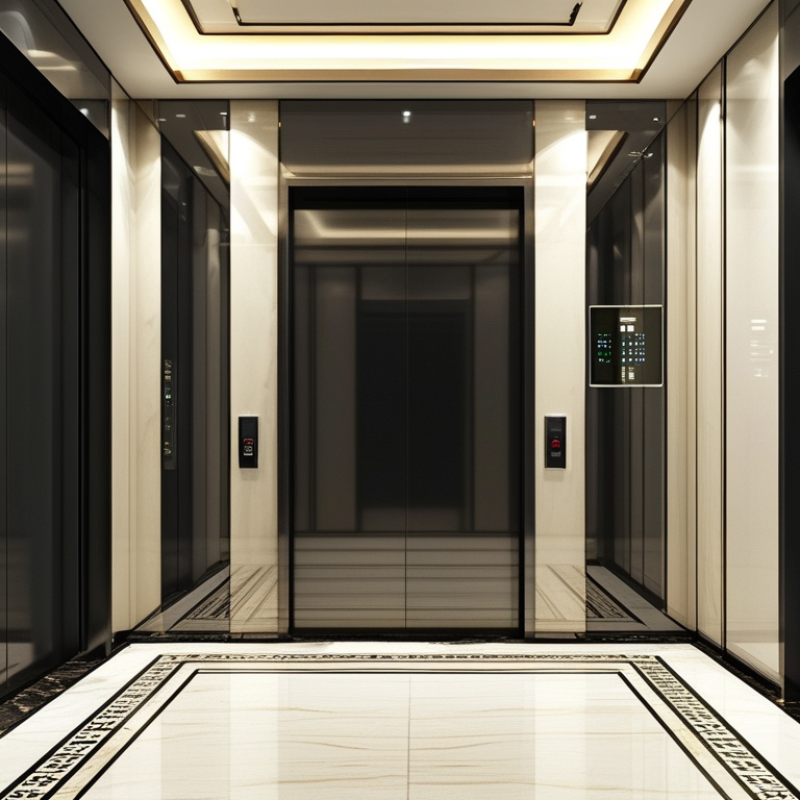
When it comes to villa lifts, understanding safety standards is crucial. These lifts must pass rigorous tests to ensure safe operation. Compliance with recognized guidelines helps prevent accidents. Adhering to safety requirements protects users and promotes peace of mind.
Regular maintenance is essential for villa lifts. Components like brakes and cables require inspection. If overlooked, they can fail, leading to dangerous situations. Homeowners should schedule frequent checks with certified professionals. Proper documentation and service records will help ensure reliability.
The installation plays a significant role in safety. A poorly installed lift may not function correctly. Checking the foundation and ensuring proper alignment is vital. Engaging experienced technicians will reduce the risk of faults. Safety is a shared responsibility, requiring awareness from all parties involved. Each lift should display emergency procedures for user reference.
When considering villa lifts, safety features play a crucial role. Each lift must include robust safety mechanisms to protect users. A reliable emergency stop button allows passengers to halt the lift immediately if needed. This feature is vital for ensuring safety during unexpected situations.
Another essential component is the overload sensor. This device prevents the lift from operating when the weight exceeds its limit. It promotes safety by reducing the chances of mechanical failure. Additionally, a stable door locking system is imperative. This prevents the doors from opening while the lift is in motion, minimizing the risk of accidents.
Regular maintenance checks are equally important. Wear and tear can compromise safety features over time. Having a qualified technician inspect the lift ensures all safety elements function correctly. This practice fosters trust in the lift's operations. Ultimately, understanding these safety features enhances user confidence when using villa lifts.
Villa lifts have become a popular choice for enhancing accessibility and convenience in residential spaces. However, without regular maintenance and inspections, even the most advanced systems can encounter serious issues. Data from the National Elevator Industry, Inc. indicates that regular maintenance can reduce lift breakdowns by up to 30%. Homes with well-maintained lifts often report fewer operational disruptions and happier occupants.
Inspections should be conducted at least twice a year. Qualified technicians can identify potential problems early, saving homeowners costly repairs later. Regular checks ensure that safety features, like brakes and emergency systems, function correctly. Neglecting maintenance can lead to accidents. In fact, experts note that improper care of lifts is a leading cause of accidents in residential settings.
To maintain your villa lift in top condition, consider these tips: First, schedule regular inspections with certified professionals. They know what to look for and can keep your lift safe. Next, avoid overloading the lift. Stick to the weight limits specified in the manual. This simple action greatly prolongs the life of your lift. Lastly, always report any unusual noises or malfunctions immediately. Ignoring these signs can lead to bigger issues down the road.
Villa lifts can enhance home accessibility. However, users must prioritize safety. Understanding and following user guidelines is crucial for a safe operation. Reports indicate that improper lift use contributes to roughly 30% of lift-related accidents.
Regular maintenance is vital. Owners should schedule professional inspections every six months. This practice helps identify potential issues early. Routine checks can reduce the risk of mechanical failure by up to 40%. Users also need to be educated on the lift's weight limits. Overloading can lead to dangerous malfunctions.
Clear communication is essential. Inform all users, especially children and elderly, about proper lift use. All passengers should remain calm and avoid sudden movements while inside. Keeping the area around the lift clear of obstructions is important too. These small steps can significantly improve safety and reliability. Awareness and ongoing education are key. Regularly revisiting safety protocols can help reinforce good habits.
When it comes to villa lifts, understanding emergency protocols is crucial for safety. These lifts are designed to provide convenience, but they can also pose risks. In emergency situations, having a well-defined protocol is essential. For instance, residents should always know how to use the emergency stop button. This button can halt the lift in case of malfunction, preventing serious accidents.
Another important aspect is communication. Each lift should be equipped with an intercom system. This allows users to call for help if they get stuck. Clear signs should indicate the location of emergency exits. Additionally, regular safety drills can prepare residents for potential emergencies. Practicing these scenarios can highlight areas that require improvement in response strategies.
Lastly, routine maintenance is vital but often overlooked. Lifts must undergo regular inspections to ensure they function properly. Any strange noises or erratic movements shouldn't be ignored. Residents should report these issues immediately. Understanding and implementing these emergency protocols can make a significant difference in resident safety.
: Safety standards ensure proper operation, preventing accidents and promoting user peace of mind.
Regular checks on brakes and cables are essential to prevent failures and ensure safety.
A poorly installed lift can malfunction. Proper alignment and foundation checks are crucial for safety.
Essential features include an emergency stop button, overload sensor, and stable door locking system.
Wear and tear can compromise safety features. Inspections ensure all systems function correctly.
Knowing how to use the emergency stop button and an intercom system is vital for safety.
Regular safety drills and clear signs for emergency exits help improve response strategies.
Any unusual noises or erratic movements should be reported immediately for safety reasons.
Installing an intercom system allows users to call for help if they get stuck in the lift.
When considering what are the safety requirements for villa lifts, it's crucial to understand the various safety standards and regulations that govern their installation and operation. Key safety features such as emergency stop buttons, overload sensors, and secure locking mechanisms are essential to ensure user safety. Regular maintenance and inspections also play a significant role in maintaining the functionality and safety of villa lifts.
Moreover, users should adhere to specific guidelines for safe operation, including weight restrictions and proper usage practices. In case of emergencies, having well-defined protocols can help residents respond effectively, ensuring that villa lifts operate safely within residential settings. Overall, awareness and adherence to these safety requirements can significantly enhance the safety of villa lifts.
